



Shop Our Best Selling Fish!
Shop Our Selection Of Live Plants!
Shop Our Huge Selection of Fish and Aquarium Supplies!

Live Shrimp, Snails And Invertebrates
Explore Our Huge Selection of Fish Food, Shrimp Food and more!
Order processing time: 3–5 business days
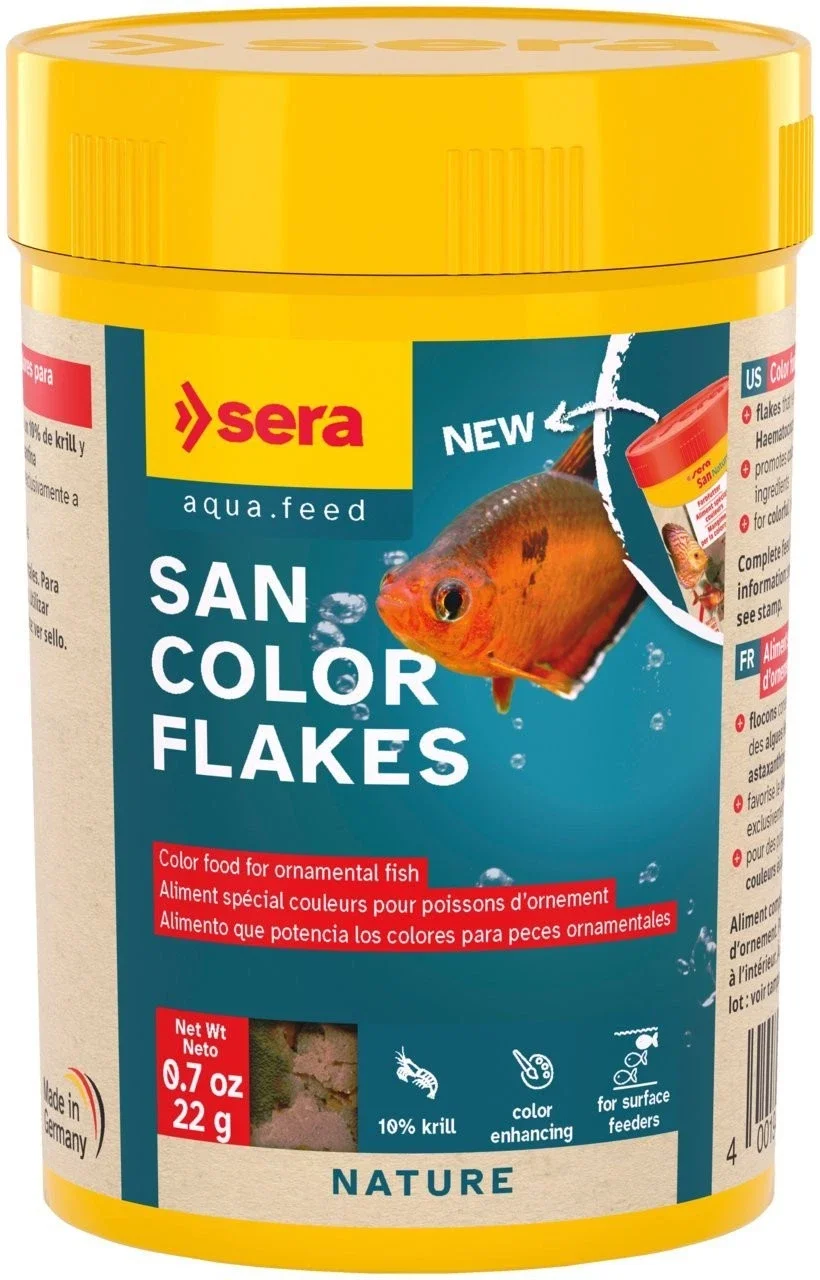
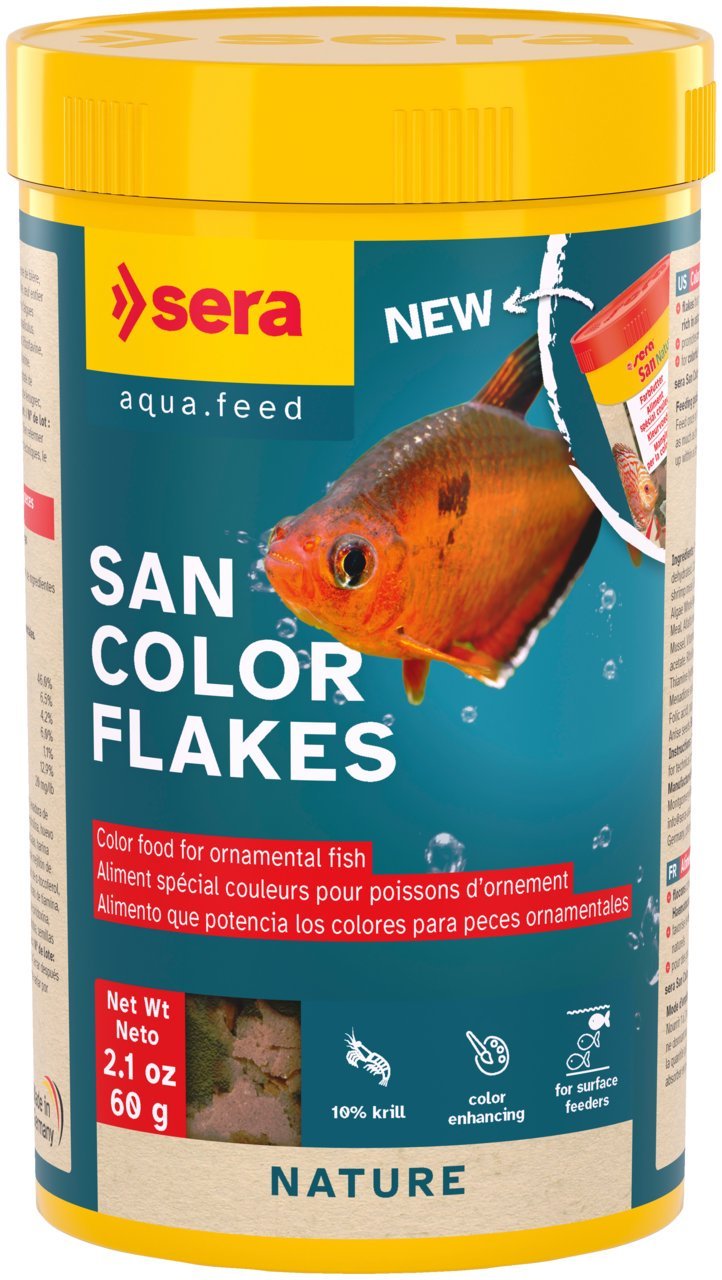
High-Quality Natural Color Enhancing Fish Food! This food is perfect if you want to bring out those nice deep reds and coloration in many fish species, we personally feed this food to all of our angelfish and tetras and also occasionally will feed it to our corydoras species!
floating flakes for fish eating at the surface
with 10% krill and Haematococcus algae rich in astaxanthin
promotes color development exclusively by the natural ingredients
for colorful, lively fish
the flakes that retain their shape do not cloud the water
San Color Flakes is the color food without dyes and preservatives for all ornamental fish eating at the water surface.
Color development is promoted exclusively by the natural ingredients such as Haematococcus algae rich in astaxanthin and Krill.
At the same time, they also enhance acceptance, liveliness and readiness to spawn of the ornamental fish. The flakes retain their shape for a long time, and do not cloud the water.
For colorful fish
Ornamental fish delight their keeper with their splendid body colors and shiny skin. The sera color foods support the natural color formation of the fish. This is ensured by adding valuable ingredients such as Haematococcus algae, spirulina, krill and gammarus, which promote color development in a natural way due to the highly functional pigments they contain. All sera color foods are also complete foods and provide the animals with all important nutrients. They are therefore suitable for daily feeding.
Order processing time: 3–5 business days
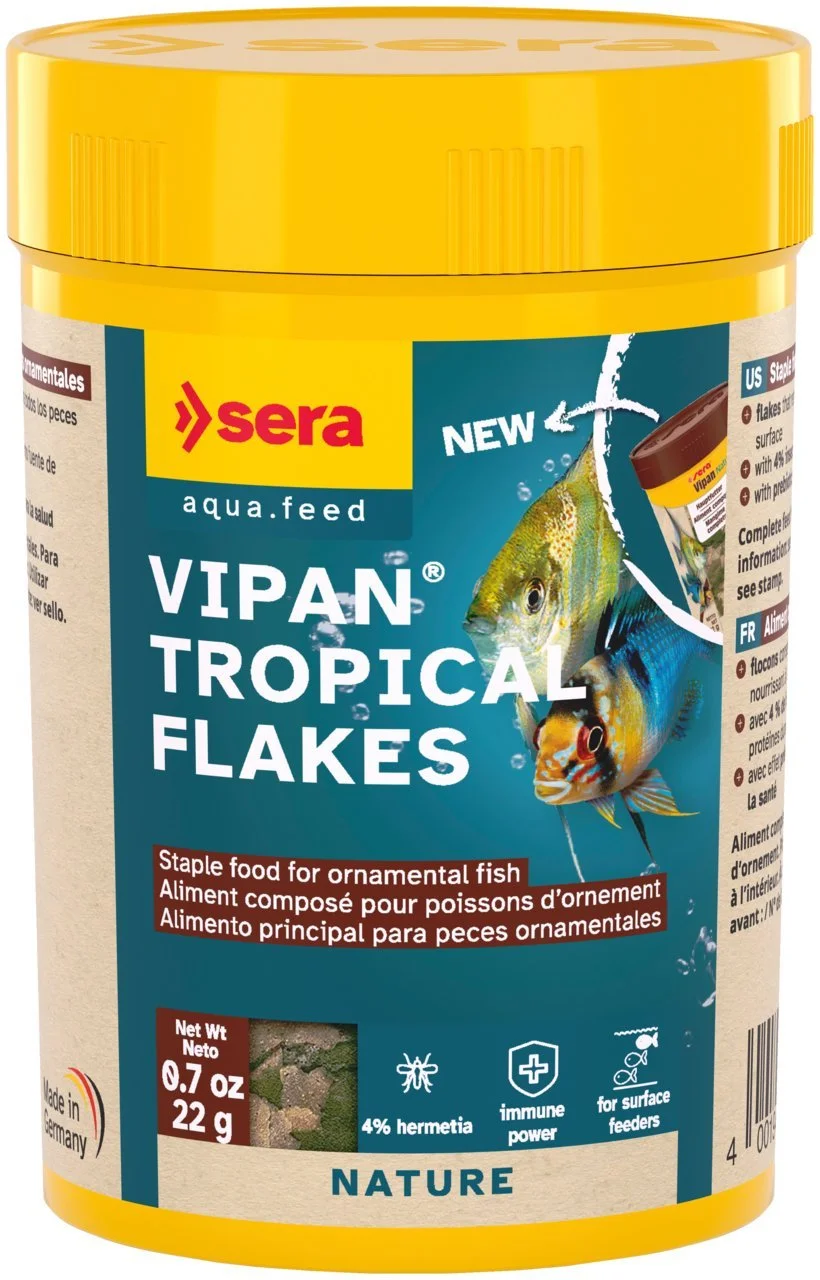
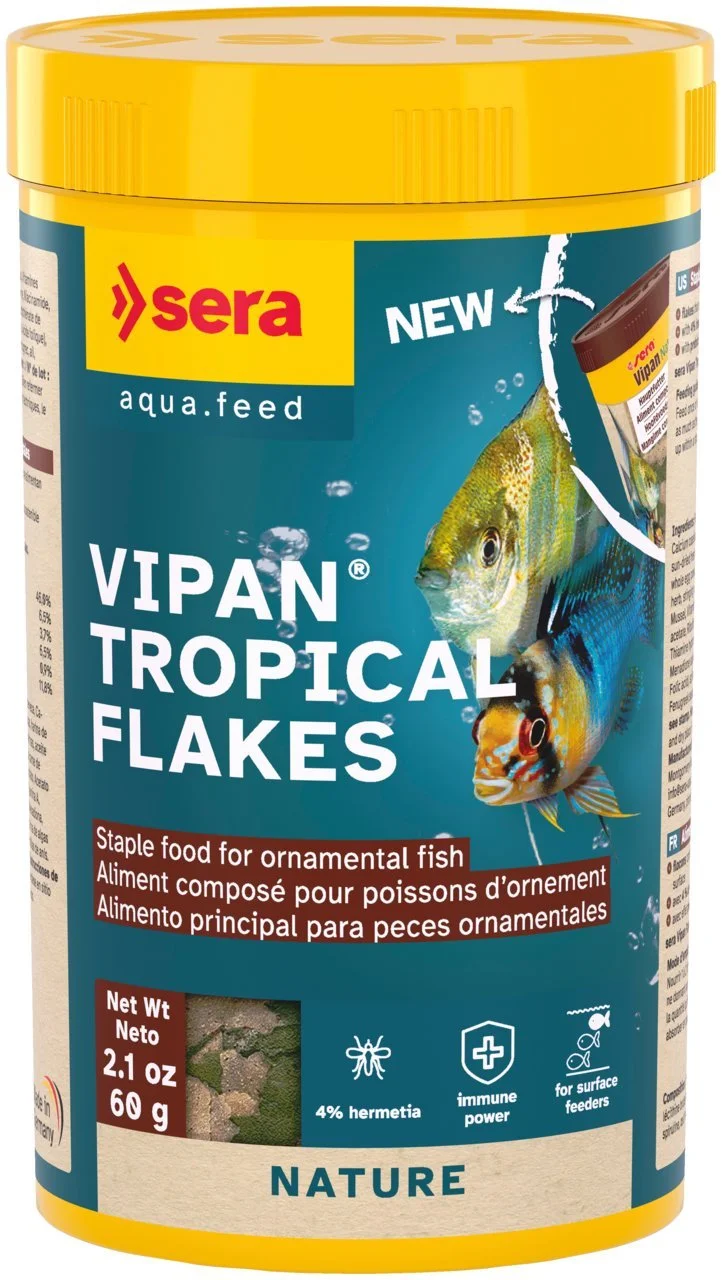
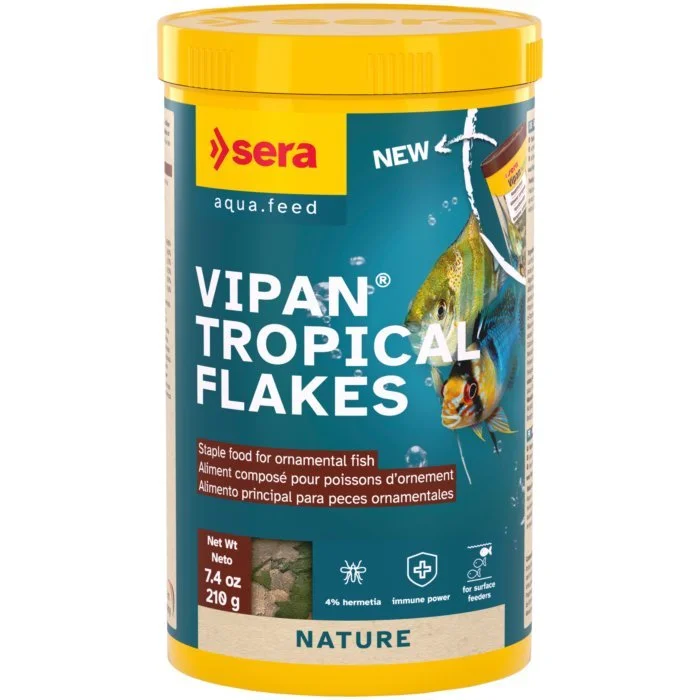
A Natural High-Quality Staple food for Aquarium Fish! This fish food can feed a variety of species including Neon Tetra, Cardinal Tetra, Black Neon Tetra, Glowlight Tetra, Rummy Nose Tetra, Ember Tetra, Guppy, Endler Guppy, Molly, Platy, Swordtail, Betta, Siamese Fighting Fish, Zebra Danio, Celestial Pearl Danio, Harlequin Rasbora, Chili Rasbora, Cherry Barb, Tiger Barb, Rosy Barb, Dwarf Gourami. And so many more it is the perfect food for most community aquariums!
floating flakes for all fish eating at the surface
with 4% insect meal as a high quality, sustainable protein source
contains high quality, natural ingredients and prebiotics
supports healthy growth and strong development
the flakes retain their shape and do not cloud the water
Vipan Tropical Flakes is the staple food consisting of floating flakes without dyes and preservatives for all ornamental fish eating at the water surface.
It contains insect meal as a high quality protein source which is also resource saving and environmentally friendly!
The balanced composition with natural ingredients and prebiotics allows for a diet very close to nature that supports healthy growth and strong development. The flakes retain their shape for a long time and do not cloud the water.
Ingredients
Fish Meal, Wheat Flour, Yeast brewers dehydrated, Calcium caseinate, Lecithin, Dried Black Soldier Fly Larvae, sun-dried fresh water shrimp meal (Gammarus pulex), spirulina, whole egg powder, Algae Whole Meal, Fish cod liver oil, Alfalfa herb, stinging nettle, parsley, paprika, New Zealand Green Mussel, Vitamins (L-Ascorbyl-2-polyphosphate, α-Tocopherol acetate, Riboflavin, Niacinamide, Inositol, Vitamin A acetate, Thiamine hydrochloride, Calcium pantothenate, Cholecalciferol, Menadione sodium bisulfite complex, Pyridoxine hydrochloride, Folic acid), spinach, carrots, Haematococcus Algae Meal, Fenugreek seeds, garlic, fennel seeds, Anise seeds.
Guaranteed analysis
Min. Crude Protein 46.0%, Min. Crude Fat 6.5%, Max. Crude Fiber 3.7%, Max. Moisture 6.5%, Min. Phosphorus 0.9%, Max. Crude Ash 11.8%, Dried Black Soldier Fly Larvae 4.0%.
Additives
Vitamins and provitamins: Vitamin A (Vitamin A Acetate) 37,000 IU/kg, Vitamin D3 (Cholecalciferol) 1,800 IU/kg, Vitamin E (α-Tocopherol Acetate) 120 mg/kg, Vitamin B1 (Thiamine Hydrochloride) 35 mg/kg, Vitamin B2 (Riboflavin) 90 mg/kg, Vitamin C (L-Ascorbyl-2-Polyphosphate) 550 mg/kg.
This food is something we commonly feed to almost all of the fish we sell here at Mosaictropicalfish we do not offer any aquarium products we do not personally use ourselves!
Order processing time: 3–5 business days
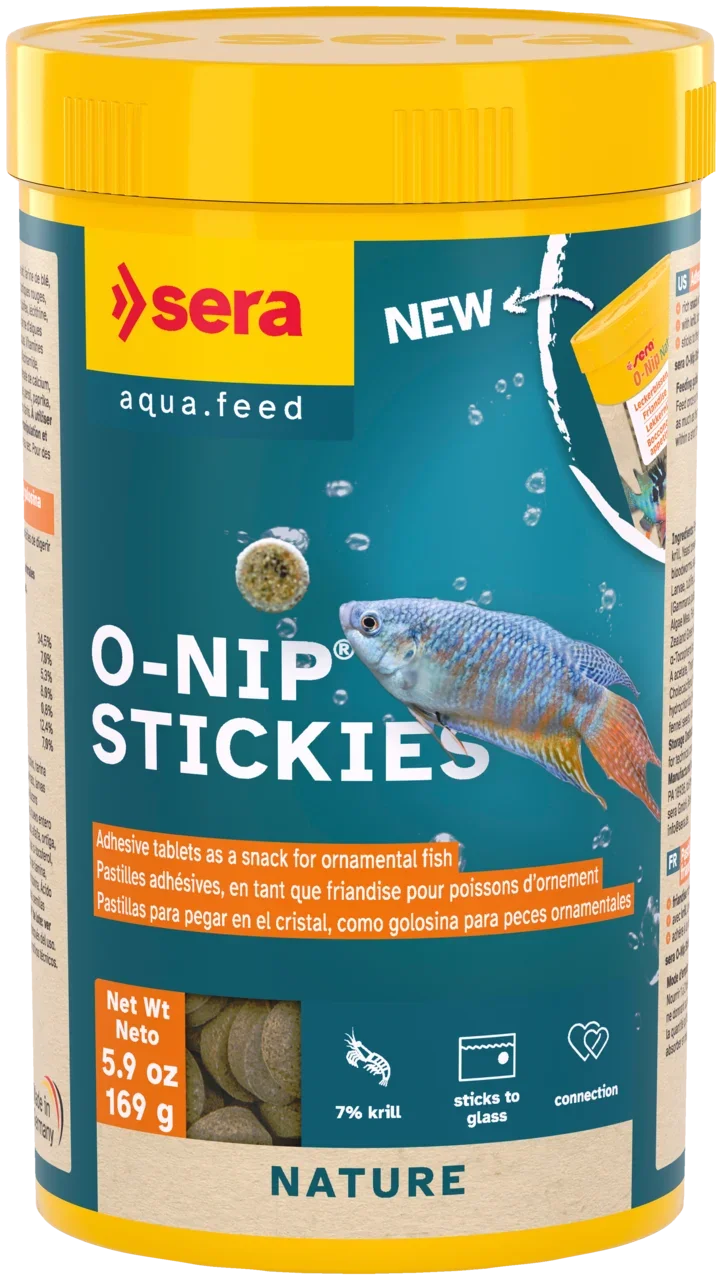
sera O-Nip Stickies (169 g) is a convenient supplementary fish food designed to make feeding your aquarium fish more engaging. These stick-on food tablets can be attached to the aquarium glass, allowing fish to feed directly from the surface while giving aquarists an opportunity to observe their natural feeding behaviour.
Ideal for community aquariums, this practical feeding format adds variety to the daily routine and makes it easier to watch your fish gather and feed. The generous 169 g pack is suitable for aquarists who want a convenient supplementary food for regular aquarium care.
Interactive Feeding with sera O-Nip Stickies
The stick-on format offers an alternative to conventional floating or sinking fish food. By attaching the food to the aquarium glass, you can encourage fish to approach the feeding area and observe them more closely as they eat.
This makes sera O-Nip Stickies a useful option for adding interest to feeding time while supplementing the regular diet of suitable ornamental fish.
Key Benefits of sera O-Nip Stickies
Convenient stick-on format: Attaches to aquarium glass for a distinctive feeding experience.
Encourages natural feeding behaviour: Allows fish to gather around the food and feed from a visible surface.
Adds dietary variety: Provides a supplementary option alongside a balanced staple diet.
Easy to observe: Makes it convenient to watch fish during feeding.
Generous 169 g pack: Offers a practical supply for ongoing aquarium care.
Suitable for Community Aquariums
sera O-Nip Stickies can be offered to suitable ornamental aquarium fish that are able to consume the food. Always consider the feeding habits, mouth size and dietary requirements of the species in your aquarium.
For mixed community tanks, make sure smaller or less assertive fish have an opportunity to feed. If necessary, use more than one feeding location to help reduce competition.
Feeding Instructions
Attach a suitable amount of sera O-Nip Stickies to the inside of the aquarium glass where fish can access it easily.
Feed small portions appropriate to the number and size of your fish.
Observe your fish to ensure that the food is being consumed.
Remove uneaten food promptly to help maintain good water quality.
Use as part of a varied diet with a suitable staple food.
Keep the product sealed and store it in a cool, dry place according to the packaging instructions.
Avoid overfeeding, as excess food can contribute to poor aquarium water quality.
Product Features
Brand: sera
Product: O-Nip Stickies
Food type: Stick-on supplementary aquarium fish food
Feeding method: Attached to aquarium glass
Net weight: 169 g
Use: Supplementary feeding for suitable ornamental aquarium fish
Make Aquarium Feeding More Engaging
Add convenience and variety to your aquarium feeding routine with sera O-Nip Stickies (169 g). The practical stick-on format lets you observe your fish as they gather to feed, making it a useful addition to your aquarium food collection.
Order sera O-Nip Stickies today and bring a different feeding experience to your aquarium.
Explore Our Huge Lineup Of Hygger Products! We Offer Filters, Heaters, Lights, wave makers, Pumps, and so much more!
Order processing time: 3–5 business days
100W For 10-21 Gallons
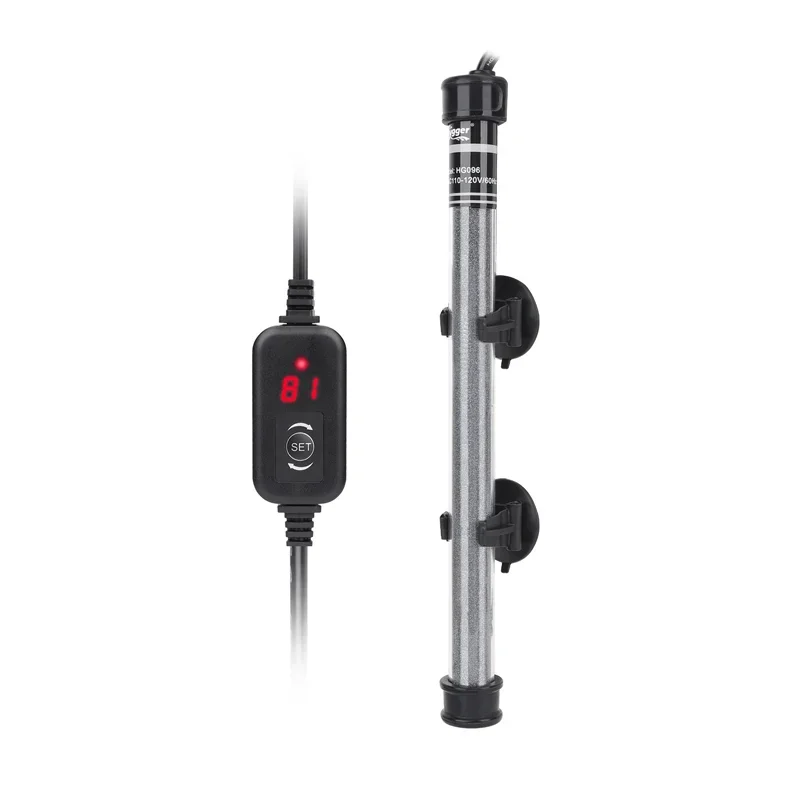
Keep your aquarium water at a comfortable temperature with the Hygger Aquarium Heater HG096 – 100W. Designed for aquarium temperature management, this 100-watt heater helps maintain the warm, stable water conditions needed by many tropical aquarium fish and other temperature-sensitive aquatic inhabitants.
Consistent water temperature is an important part of maintaining a healthy aquarium environment. The Hygger HG096 100W Aquarium Heater provides a practical heating solution for freshwater aquarium setups, helping reduce temperature fluctuations caused by cooler room conditions.
Benefits of the Hygger Heater HG096 – 100W
100-Watt Heating Power: Provides aquarium heating for appropriately sized tanks.
Supports Stable Water Temperature: Helps maintain suitable conditions for tropical aquarium fish.
Ideal for Tropical Aquariums: A practical heating option for compatible freshwater aquarium setups.
Supports Aquarium Livestock: Helps provide a consistent environment for fish and other aquatic inhabitants that require heated water.
Convenient Aquarium Temperature Management: Designed to support regular aquarium maintenance and care.
Compact Heating Solution: Suitable for aquarium setups where a dedicated water heater is required.
Designed for Tropical Aquarium Care
The Hygger HG096 100W Aquarium Heater is intended for aquariums that require supplemental heating to maintain an appropriate water temperature.
Many popular tropical freshwater fish thrive within a specific temperature range. Sudden or prolonged temperature changes can create stress, making reliable temperature management an important part of aquarium care.
This heater can be used as part of a properly equipped aquarium system alongside suitable filtration, water circulation, and a separate thermometer for temperature monitoring.
Installation and Usage Guidelines
Confirm that the 100W heater is appropriate for your aquarium size, room temperature, and livestock requirements.
Install the heater according to the manufacturer's instructions, observing all minimum water-level and positioning requirements.
Ensure adequate water circulation around the heater for even heat distribution.
Set the desired temperature using the manufacturer's recommended procedure.
Monitor the aquarium temperature with a separate thermometer.
Check the temperature regularly to ensure suitable conditions for your fish.
Safety Note: Always disconnect the heater from the power supply before performing aquarium maintenance or removing it from the water. Follow all manufacturer instructions regarding submersion, placement, and safe operation.
Product Specifications
Brand: Hygger
Product: Aquarium Heater
Model: HG096
Power Rating: 100W
Equipment Type: Aquarium water heater
Primary Function: Heating aquarium water
Recommended Use: Appropriately sized aquariums requiring temperature control
Confirm aquarium size recommendations, temperature adjustment features, and installation requirements against the manufacturer's specifications before purchase.
Maintain a Comfortable Aquarium Environment
A stable aquarium temperature helps support the well-being of tropical fish and contributes to a more consistent aquatic environment. The Hygger Heater HG096 – 100W is a practical addition to aquarium setups requiring dependable water heating.
Order the Hygger HG096 100W Aquarium Heater today and help keep your aquarium at a suitable temperature for your aquatic inhabitants.
Order processing time: 3–5 business days
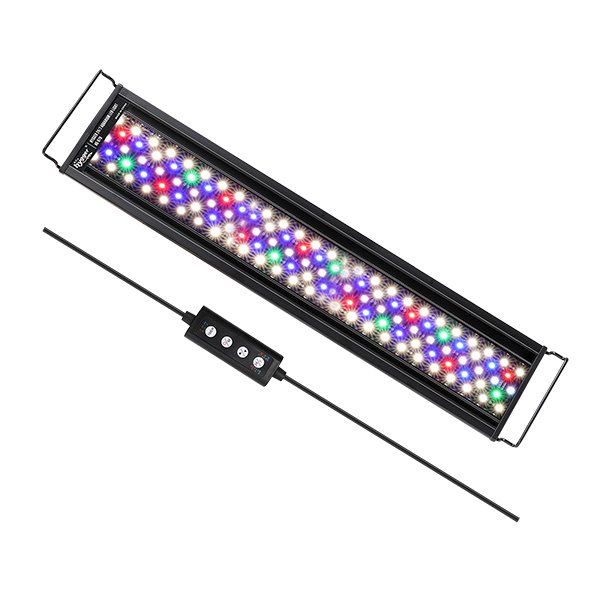
Upgrade your aquarium with the hygger HG978 Advanced Full Spectrum LED Aquarium Light, a versatile, programmable fish tank light designed to enhance aquarium colors and provide customizable illumination for freshwater fish tanks and planted aquariums. Featuring full-spectrum LEDs, adjustable brightness, seven selectable colors, and an automatic 24/7 lighting cycle, this advanced LED aquarium light makes it easy to create a beautiful underwater environment.
Available in 14W, 18W, 22W, 26W, 36W, and 42W models, the hygger HG978 accommodates aquariums from 12 to 54 inches long, depending on the selected model. Its extendable mounting brackets, durable aluminum housing, and convenient lighting controls make it a practical choice for beginner and experienced aquarium enthusiasts alike.
Full Spectrum LED Aquarium Light
The hygger HG978 features a combination of white, red, green, blue, and RGB LEDs to deliver full-spectrum illumination for freshwater aquariums. The lighting enhances the natural appearance of fish, aquatic plants, and decorative aquascapes while providing illumination that can support aquatic plant growth.
Whether you're maintaining a community aquarium, creating a planted fish tank, or showcasing colorful aquatic species, this full-spectrum LED aquarium light offers flexible lighting options to complement your setup.
Automatic 24/7 Sunrise, Daylight and Moonlight Cycle
Create a consistent aquarium lighting schedule with the hygger HG978's automatic 24/7 lighting mode. The preset cycle transitions between sunrise, daylight, and moonlight to create a natural-looking progression throughout the day.
Sunrise: Gradient orange lighting from 6 AM to 8 AM.
Daylight: Gradient white lighting from 8 AM to 6 PM.
Moonlight: Gradient blue lighting from 6 PM to 10:50 PM.
Lights off: The light automatically turns off outside the programmed lighting periods.
The built-in power-off memory retains your lighting settings, making everyday aquarium lighting more convenient.
Seven Colors and Adjustable Brightness
Personalize your aquarium with seven selectable light colors: white, red, blue, green, purple, orange, and cyan. The HG978 also offers nine brightness levels ranging from 10% to 100%, allowing you to adjust the lighting intensity to suit your preferences.
Choose the full-spectrum setting for general aquarium illumination or experiment with individual colors to create different visual effects. These customizable controls make the hygger HG978 a versatile aquarium light for freshwater displays and planted tanks.
Programmable Aquarium Light with Timer
Prefer a customized lighting schedule? The hygger HG978 offers selectable 6-hour, 10-hour, and 12-hour timer settings, along with a no-timer option in DIY mode.
Adjust the color, brightness, and lighting duration to create an aquarium lighting routine suited to your fishkeeping setup. For planted aquariums, choosing an appropriate daily photoperiod and light intensity can help support plant growth while reducing the risk of excessive algae.
Six Wattage Options for Different Aquarium Sizes
Choose the right hygger HG978 LED aquarium light based on your tank's length.
14W: Suitable for aquariums 12–18 inches long.
18W: Suitable for aquariums 18–24 inches long.
22W: Suitable for aquariums 24–30 inches long.
26W: Suitable for aquariums 30–36 inches long.
36W: Suitable for aquariums 36–42 inches long.
42W: Suitable for aquariums 48–54 inches long.
The extendable metal brackets help accommodate the recommended aquarium lengths. Select the wattage that best matches your tank dimensions and lighting requirements.
Durable Aluminum Housing and Adjustable Mounting Brackets
Designed for everyday aquarium use, the hygger HG978 features a durable aluminum housing that helps dissipate heat. Its extendable metal mounting brackets allow the fixture to sit securely across compatible aquarium rims, making installation straightforward.
The sealed LED construction is designed to withstand splashes and the humid conditions commonly found around aquariums. The separate AC/DC power adapter also makes the lighting unit convenient to connect and maintain.
Ideal for Freshwater and Planted Aquariums
The hygger HG978 Advanced Full Spectrum LED Aquarium Light is suitable for a variety of aquarium setups, including:
Freshwater fish tanks
Planted aquariums
Aquascaping displays
Tropical community aquariums
Aquatic plant displays
Home and office aquariums
Beginner and experienced fishkeeping setups
For planted tanks, adjust brightness and lighting duration according to plant species, aquarium depth, nutrient availability, and algae levels.
Product Features
Advanced full-spectrum LED aquarium lighting
Six wattage options: 14W, 18W, 22W, 26W, 36W, and 42W
White, red, green, blue, and RGB LEDs
Seven selectable light colors
Nine brightness levels from 10% to 100%
Automatic 24/7 sunrise, daylight, and moonlight cycle
Programmable 6-hour, 10-hour, and 12-hour timer
DIY lighting mode with customizable colors and brightness
Power-off memory function
Durable aluminum housing
Extendable metal mounting brackets
Designed for freshwater aquariums and planted tanks
Includes LED light, AC/DC power adapter, two mounting brackets, and user manual
Choose the hygger HG978 Advanced Full Spectrum LED Aquarium Light for customizable aquarium illumination with convenient automatic scheduling. Whether you're lighting a compact freshwater tank with the 14W model or a larger aquarium with the 42W version, the HG978 combines adjustable brightness, multiple colors, and flexible mounting to help you create an attractive aquarium display.
Order processing time: 3–5 business days
For 5-30 Gallons
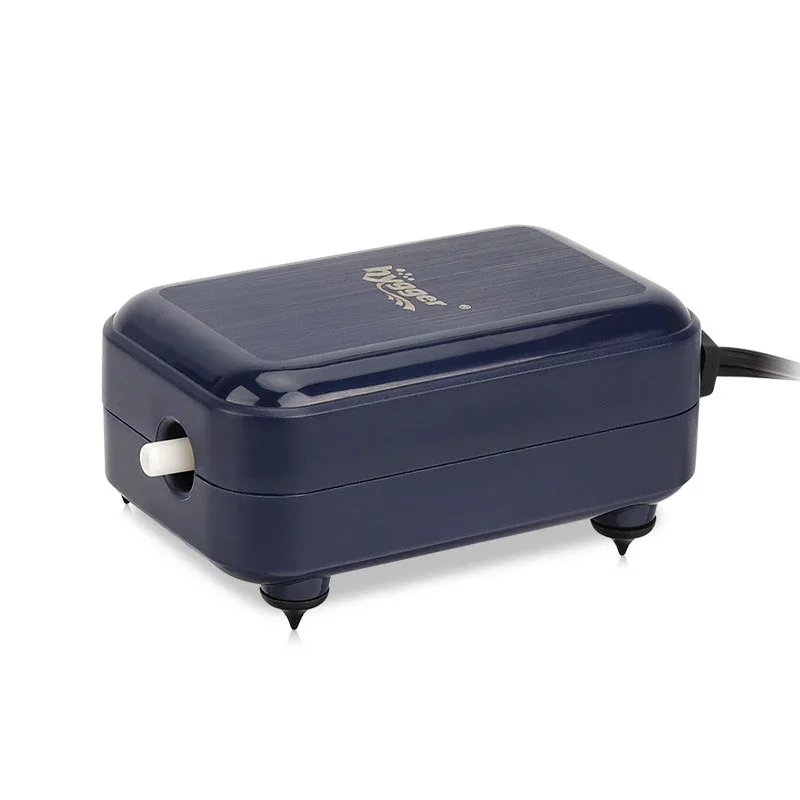
Improve aquarium aeration and support a healthier aquatic environment with the Hygger Saphire Air Pump HG037 – 2W. Designed to supply air to compatible aquarium accessories, this 2-watt air pump provides a practical solution for adding bubbles, encouraging water movement, and promoting oxygen exchange in your fish tank.
Proper aeration is an important part of aquarium maintenance. When connected to a suitable air stone, sponge filter, or other air-driven accessory, the Hygger HG037 2W Air Pump helps create water movement that supports surface gas exchange and everyday aquarium care.
Benefits of the Hygger Saphire Air Pump HG037 – 2W
2-Watt Power Rating: Provides aquarium aeration with a low-power 2W air pump.
Supports Oxygen Exchange: Helps promote gas exchange by creating water movement at the aquarium surface.
Compatible with Air-Driven Accessories: Can supply air to suitable aquarium air stones and other compatible equipment.
Supports Gentle Water Circulation: Helps encourage water movement when paired with an appropriate air stone.
Useful for Sponge Filtration: Can power compatible air-driven sponge filters when airflow requirements are met.
Adds Decorative Bubbles: Creates attractive bubble effects when connected to a suitable aquarium air stone.
Practical Aquarium Equipment: A useful addition to freshwater aquarium aeration and maintenance setups.
Designed for Everyday Aquarium Aeration
The Hygger Saphire Air Pump HG037 – 2W is designed for aquarium hobbyists who need a convenient source of air for their fish tank.
Aquarium air pumps work by pushing air through airline tubing into an air stone, sponge filter, or another compatible accessory. The resulting bubbles create water movement that helps promote oxygen exchange at the water's surface.
Additional aeration can be especially useful in aquariums with limited surface agitation or systems that rely on air-driven filtration equipment.
Suitable Aquarium Applications
The Hygger HG037 2W Air Pump can be considered for compatible aquarium setups, including:
Freshwater tropical fish tanks
Aquariums using air stones
Compatible air-driven sponge filtration systems
Fish tanks requiring supplemental aeration
Aquarium setups with decorative bubble accessories
Appropriately sized aquariums requiring a 2W air pump
Always verify that the pump's airflow capacity is suitable for your aquarium volume, water depth, and connected accessories.
Installation and Usage Guidelines
Position the air pump on a stable, dry surface outside the aquarium.
Connect suitable aquarium airline tubing to the pump's air outlet.
Attach the tubing to a compatible air stone, sponge filter, or other air-driven accessory.
Install a check valve when necessary to help prevent aquarium water from flowing backward into the pump.
Place the connected accessory inside the aquarium.
Connect the air pump to the appropriate power supply and confirm that airflow is reaching the accessory.
Maintenance Tip: Inspect airline tubing, air stones, and sponge filters regularly for blockages or buildup that may reduce airflow.
Important Safety Information: Keep the air pump dry and protected from aquarium splashes. Follow the manufacturer's instructions for installation, electrical safety, and operation. Do not submerge the pump unless specifically permitted by the manufacturer.
Product Specifications
Brand: Hygger
Product: Saphire Air Pump
Model: HG037
Power Rating: 2W
Equipment Type: Aquarium air pump
Primary Function: Supplying air to compatible aquarium aeration equipment
Recommended Application: Appropriately sized aquariums using air stones, sponge filters, or other air-driven accessories
Please verify the manufacturer's airflow rating, outlet configuration, power requirements, recommended aquarium capacity, and included accessories before purchasing.
Support Better Aquarium Aeration
Proper water movement and oxygen exchange are important for maintaining a stable aquarium environment. The Hygger Saphire Air Pump HG037 – 2W provides a practical option for operating compatible aquarium air stones, sponge filters, and aeration accessories.
Order the Hygger Saphire Air Pump HG037 – 2W today and add convenient aeration to your aquarium setup.
Shipping size 1-1.5 inches
The Red Tail Penguin Tetra is a peaceful, active freshwater schooling fish known for its distinctive black diagonal stripe, sleek silver body, and attractive reddish tail coloration. This eye-catching tropical fish adds movement and contrast to planted aquariums, making it an excellent choice for community fish tanks. Its unique swimming posture and energetic schooling behavior make it a fascinating addition to any freshwater aquarium.
Red Tail Penguin Tetra Care Guide
Scientific Name: Thayeria boehlkei
Common Name: Red Tail Penguin Tetra, Penguin Tetra
Care Level: Easy
Temperament: Peaceful
Maximum Size: 2.5–3 inches
Minimum Tank Size: 20 gallons
Water Temperature: 72–82°F
pH Range: 6.0–7.5
Diet: Omnivore
Lifespan: 3–5 years
Tank Level: Middle to Upper
Schooling Requirements: Groups of 6 or more
Origin: South America
Aquarium Care and Requirements
Red Tail Penguin Tetras thrive in well-maintained freshwater aquariums with stable water conditions, gentle to moderate filtration, and plenty of swimming space. They prefer planted aquariums with driftwood, natural decorations, and open areas where they can swim together.
As a schooling species, Red Tail Penguin Tetras should be kept in groups of at least six, although larger groups encourage more natural behavior and help reduce stress. Their peaceful temperament makes them suitable for community aquariums with other non-aggressive tropical fish.
Diet and Feeding
Red Tail Penguin Tetras are omnivores that readily accept high-quality tropical flakes, micro pellets, frozen foods, and live foods. Offering a varied diet that includes brine shrimp, daphnia, and bloodworms helps support healthy growth, vibrant coloration, and overall well-being.
Feed small portions once or twice daily, providing only what the fish can consume within a few minutes.
Tank Mates
Red Tail Penguin Tetras make excellent community aquarium fish and can be housed with other peaceful freshwater species, including Neon Tetras, Cardinal Tetras, Corydoras Catfish, Rasboras, peaceful Gouramis, and small Plecos. Avoid keeping them with large, aggressive, or predatory fish.
Why Choose Red Tail Penguin Tetras?
The Red Tail Penguin Tetra is an excellent choice for aquarists looking for a hardy, peaceful, and visually interesting schooling fish. Its distinctive black stripe, subtle red tail coloration, and active swimming behavior create a lively display in planted and community aquariums. Whether you're setting up a new tropical fish tank or adding variety to an established aquarium, Red Tail Penguin Tetras are a beautiful and rewarding addition.