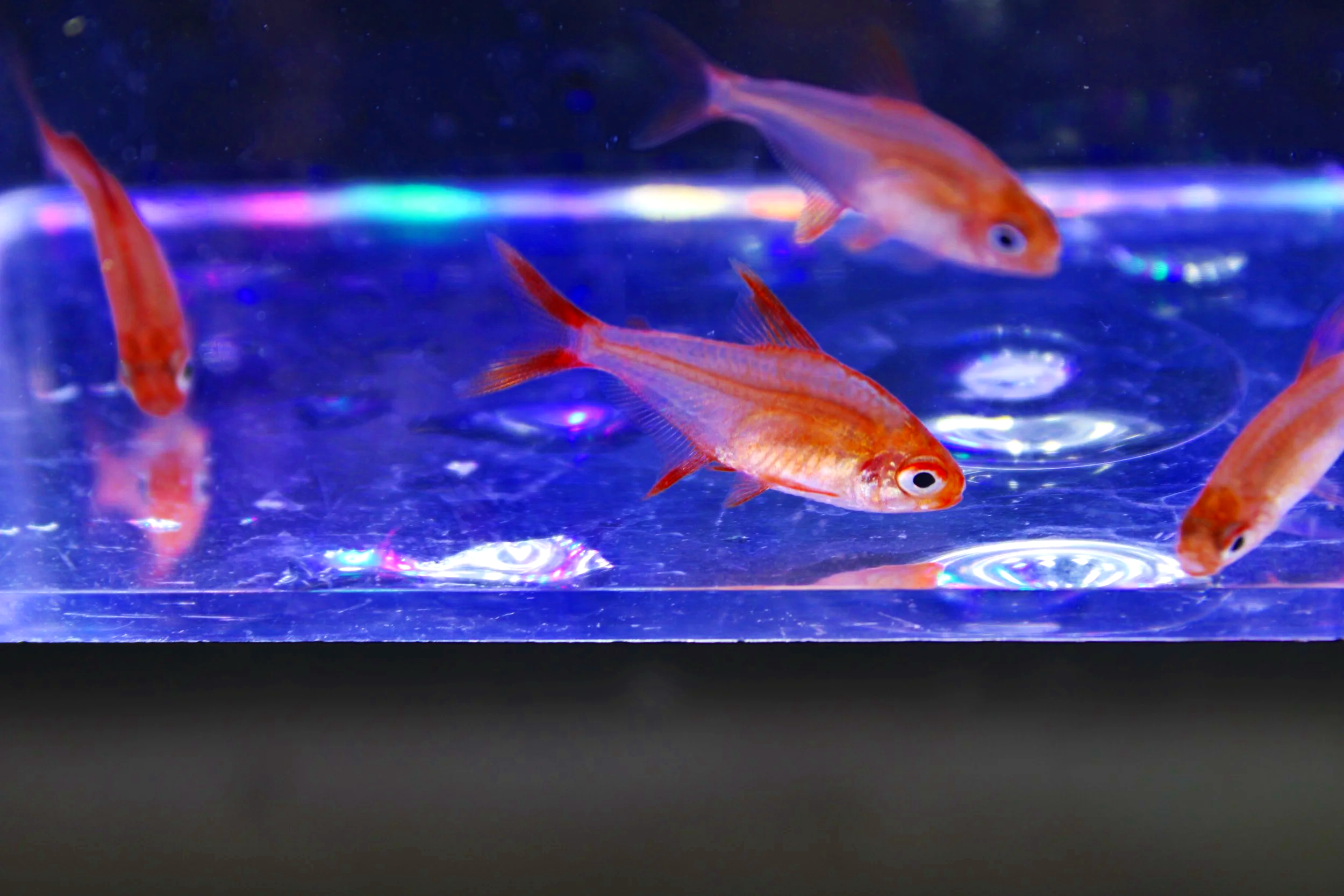
Black Emperor Tetra – Nematobrycon palmeri
Add a touch of elegance and striking contrast to your freshwater aquarium with the Black Emperor Tetra (Nematobrycon palmeri). This beautiful, selectively bred color form of the Emperor Tetra is admired for its deep charcoal-to-black coloration, subtle iridescent highlights, and graceful swimming style. Its dramatic appearance makes it an eye-catching addition to planted aquariums and peaceful community setups.
Black Emperor Tetras are active, social fish that display their most natural behavior when kept in a group of their own kind. Males may show off their fins and establish small territories through harmless displays, adding interesting activity to the middle levels of the aquarium. Their generally peaceful temperament and manageable adult size make them a popular choice for aquarists looking to create a distinctive community aquarium.
With stable water conditions, a well-planted environment, and a varied diet, Black Emperor Tetras can thrive for several years. They are particularly attractive in aquariums featuring darker substrate, driftwood, live plants, and subdued lighting, which help emphasize their rich coloration.
Benefits of the Black Emperor Tetra
Distinctive Dark Coloration: Features a dramatic black or charcoal appearance that creates contrast in freshwater aquariums.
Elegant Swimming Style: Moves gracefully through the middle levels of the aquarium.
Peaceful Community Temperament: Generally compatible with similarly sized, non-aggressive freshwater fish.
Social Species: Displays more natural behavior when maintained in a suitable group.
Interesting Male Displays: Males may posture and display their fins while establishing small territories.
Manageable Adult Size: Typically reaches approximately 2 inches in length.
Planted Aquarium Friendly: Does not normally damage healthy aquarium plants.
Adaptable Feeding Habits: Accepts quality prepared foods as well as frozen and live options.
Beautiful Aquarium Contrast: Its dark appearance stands out against green plants and lighter-colored fish.
Suitable for Established Community Aquariums: Can coexist with many peaceful tetras, rasboras, and bottom-dwelling fish.
Natural Group Behavior: Provides movement and activity without the aggressive behavior associated with many larger fish.
Captivating Color Details: Subtle iridescence can become more noticeable under appropriate aquarium lighting.
Long-Term Aquarium Interest: May live approximately 4–6 years with good care.
Beginner-Friendly Husbandry: Generally manageable for aquarists who maintain stable water quality and appropriate group conditions.
Species Overview
The Black Emperor Tetra is commonly sold as a dark color form of the Emperor Tetra, scientifically identified as Nematobrycon palmeri. It is not generally considered a separate species. The standard Emperor Tetra originates from freshwater river systems in western Colombia, including the San Juan and Atrato basins.
In the aquarium, these fish occupy primarily the middle water column. They are social but do not necessarily swim in a tightly synchronized school at all times. Mature males may establish small display territories, especially when the aquarium has adequate swimming space and vegetation.
The dark coloration makes this variety especially appealing in aquascaped aquariums. A combination of shaded areas, live plants, and dark substrate can help create an attractive environment that encourages natural behavior.
Appearance and Identification
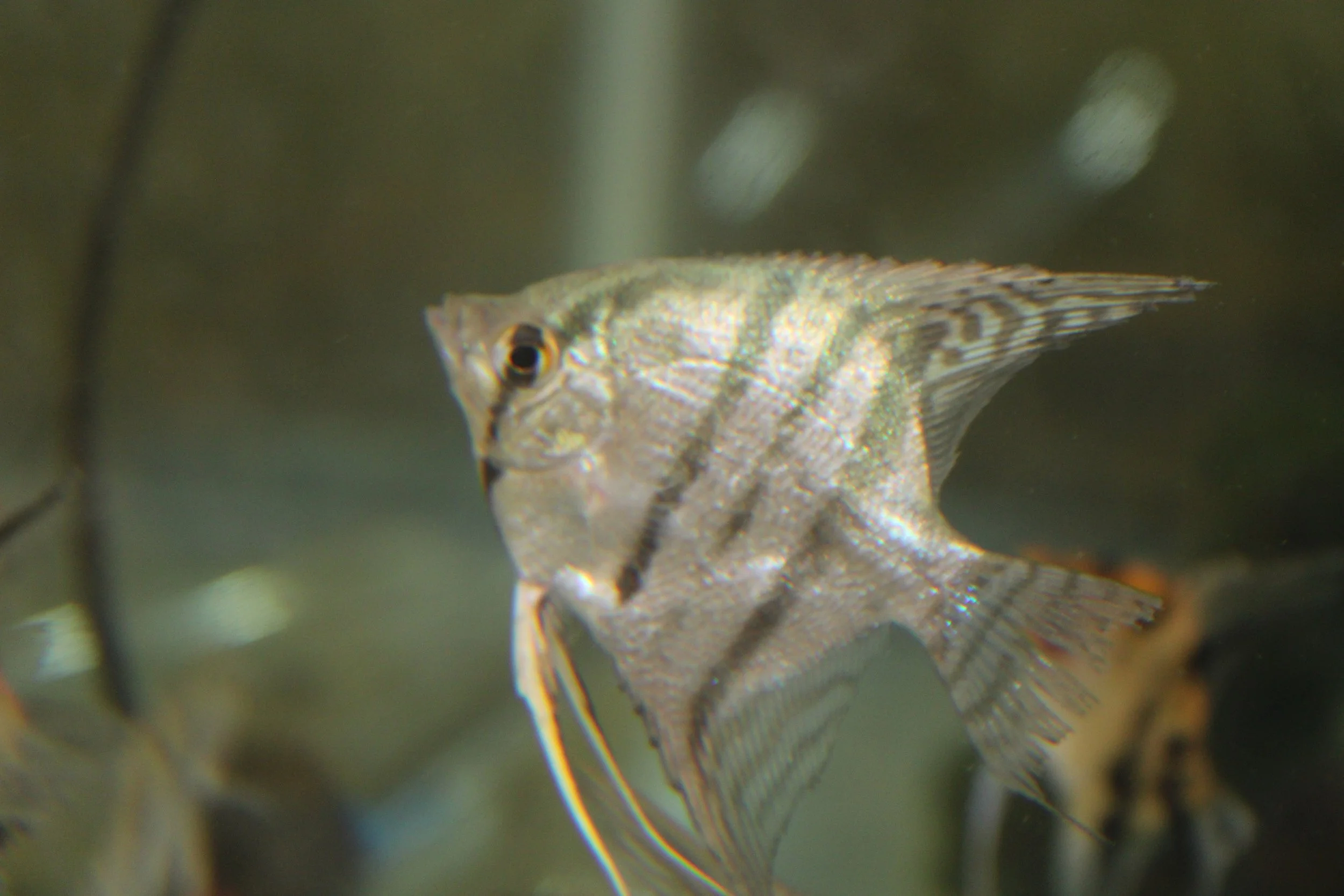
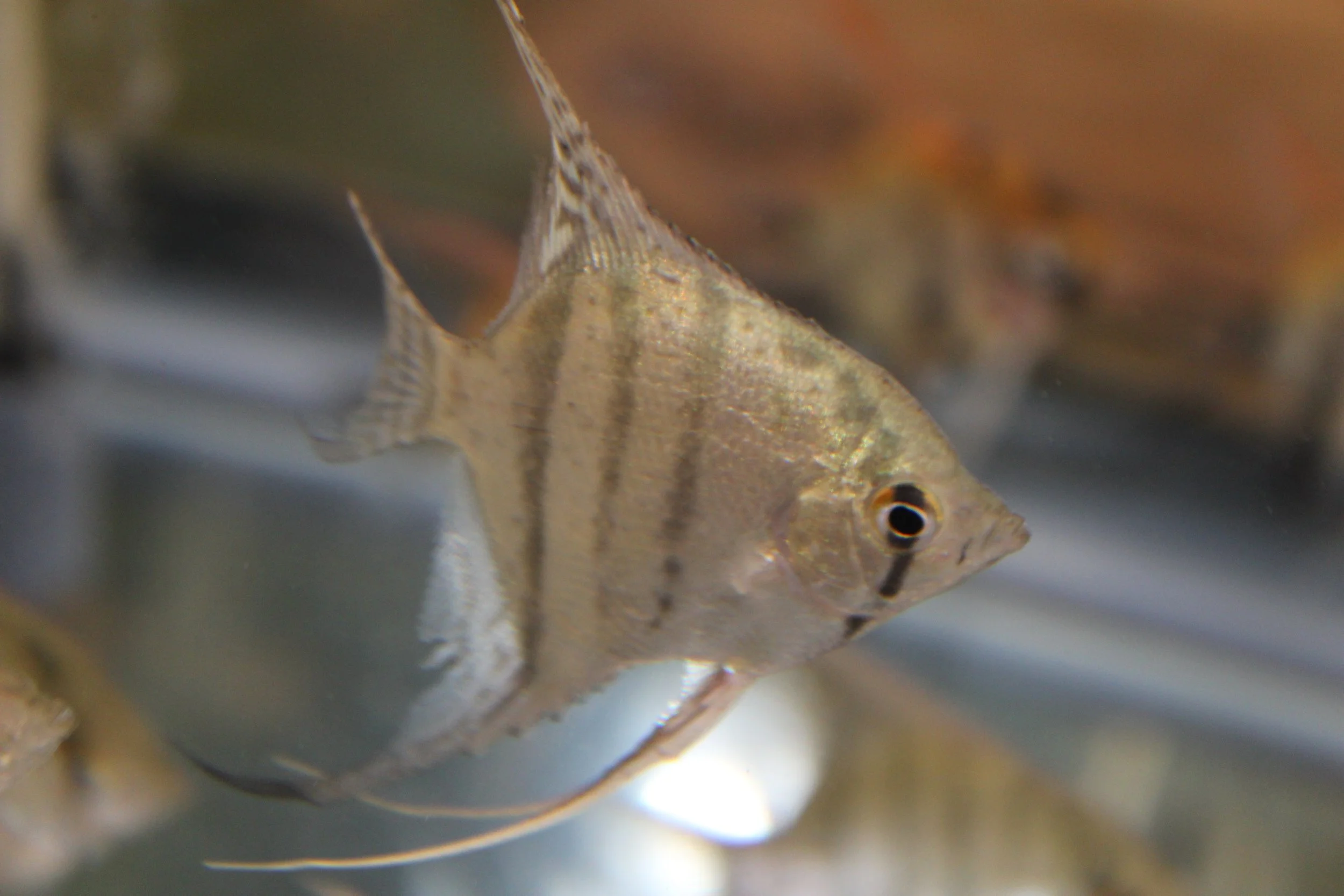
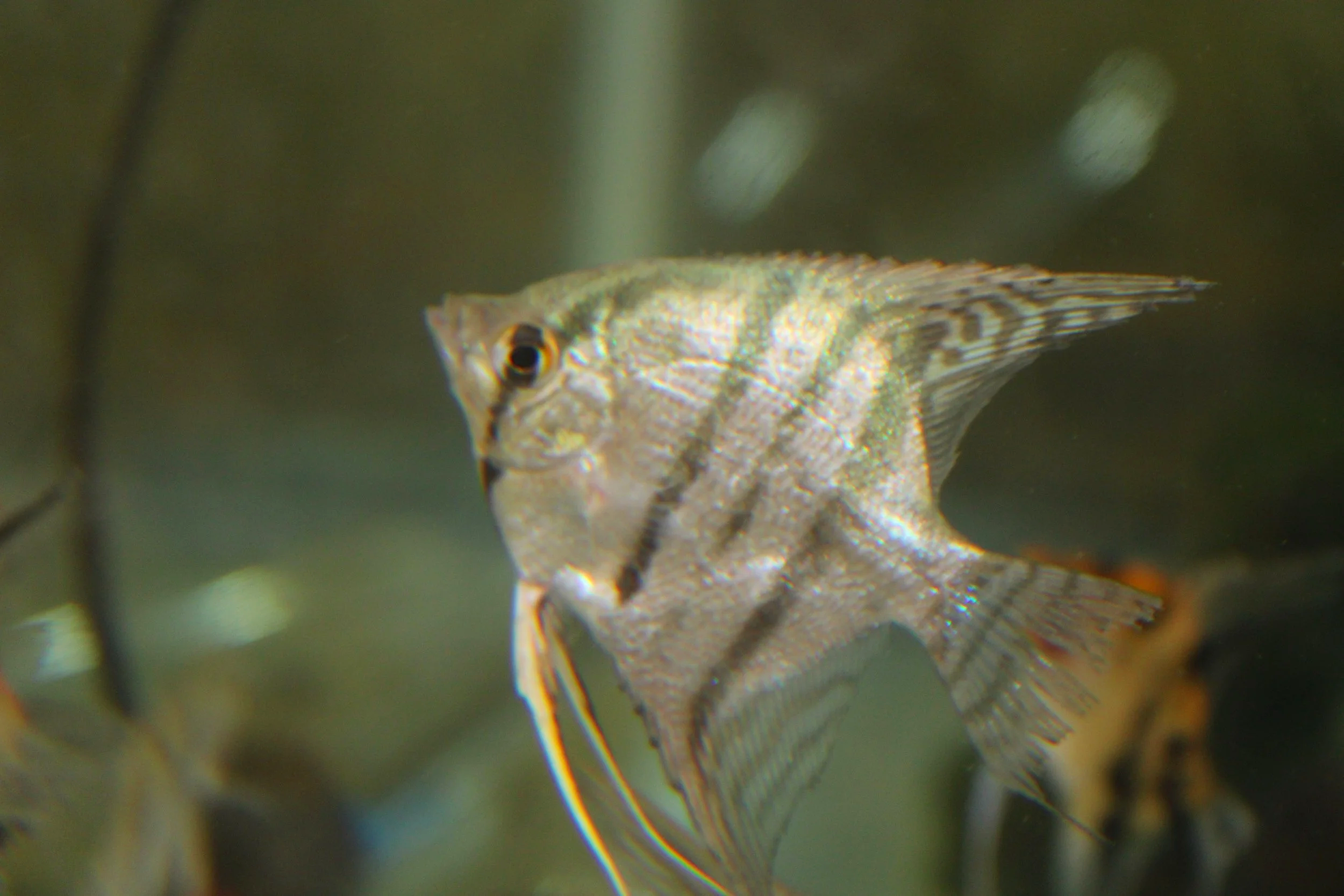
Black Emperor Tetras have an elongated, laterally compressed body with a prominent dark coloration. Depending on the individual and breeding line, their appearance may range from deep charcoal to nearly black, sometimes with subtle violet or blue iridescence.
Males and females can develop noticeable differences as they mature:
Males: Often have more elongated fins, a more pronounced central extension of the tail, and brighter blue-toned eyes.
Females: Generally have a rounder body profile, shorter fin extensions, and less pronounced male display characteristics.
Sexing young fish can be difficult, and individual coloration and fin development vary. Unless a fish is specifically sold as sexed, its sex should be considered unconfirmed.
Aquarium Care Requirements
Recommended Tank Size
A 20-gallon long aquarium is a practical minimum starting point for a small group, with larger aquariums recommended for groups with several mature males or when adding other community fish.
A longer aquarium footprint is preferable to a tall, narrow setup because it provides more horizontal swimming space and allows males to establish separate display areas.
Recommended group size:
Avoid keeping a single Black Emperor Tetra or only a pair. These are social fish that generally behave more naturally when maintained with several members of their own species.
Water Parameters
Maintain stable, clean freshwater conditions.
Water Temperature: 73–81°F (23–27°C).
Preferred Temperature Range: Approximately 75–79°F (24–26°C).
pH: Approximately 5.0–7.5.
General Hardness: Approximately 1–12 dGH.
Water Type: Freshwater.
Water Quality: Ammonia 0 ppm and nitrite 0 ppm, with nitrate controlled through routine maintenance.
Captive-bred fish can often adapt to a range of water conditions. Stability is more important than attempting to achieve a particular pH through frequent chemical adjustments. Match the aquarium conditions to the fish's established water as closely as practical.
Aquarium Decoration and Aquascaping
A thoughtfully decorated aquarium encourages natural behavior and helps showcase the fish's appearance.
Recommended features include:
Live plants arranged along the back and sides.
Open swimming space through the center.
Driftwood and natural branches.
Floating plants for shaded areas.
Dark sand or aquarium gravel.
Leaf litter or suitable aquarium botanicals, if desired.
Gentle to moderate water movement.
Suitable plants include Java fern, Anubias, Java moss, Cryptocoryne, and other plants compatible with the aquarium's lighting and water conditions.
Avoid overcrowding the aquarium with decorations. The fish should have both sheltered areas and enough unobstructed space to swim.
Lighting and Water Flow
Black Emperor Tetras often display their best coloration in moderately lit aquariums with shaded areas. Floating plants can diffuse bright lighting and provide a more comfortable environment.
Moderate filtration with gentle to moderate circulation is appropriate. The aquarium should have sufficient oxygenation without creating excessively strong currents throughout the swimming area.
Feeding and Nutrition
Black Emperor Tetras are omnivorous micropredators that naturally consume small insects, worms, and aquatic invertebrates. In captivity, they generally accept a variety of appropriately sized prepared, frozen, and live foods.
Recommended foods include:
High-quality tropical flake food.
Micro pellets or small granules.
Frozen brine shrimp.
Frozen daphnia.
Bloodworms in suitable portions.
Live baby brine shrimp.
Small live or frozen aquatic invertebrates.
Offer a varied diet rather than relying exclusively on one prepared food. Small portions once or twice daily are generally appropriate, depending on fish size and aquarium conditions.
Feed only what the fish can consume within a few minutes. Remove uneaten food when necessary to prevent water quality problems.
A varied diet supports normal growth, condition, and coloration.
Temperament and Compatibility
Black Emperor Tetras are generally peaceful toward other appropriately sized community fish. Their most noticeable social interactions usually occur among males, which may display, posture, and briefly chase one another.
These displays are generally manageable when the aquarium has enough space, a suitable group, and visual barriers created by plants and decorations.
Recommended Tank Mates
Potential compatible tank mates include:
Neon Tetras.
Cardinal Tetras.
Rummy Nose Tetras.
Ember Tetras.
Harlequin Rasboras.
Other peaceful rasboras.
Corydoras Catfish.
Otocinclus Catfish.
Peaceful pencilfish.
Small, peaceful dwarf cichlids.
Other similarly sized community fish with compatible water requirements.
Always consider the temperament, adult size, feeding requirements, and water preferences of every species before combining them.
Tank Mates to Avoid
Avoid housing Black Emperor Tetras with:
Large predatory fish capable of swallowing them.
Aggressive or highly territorial cichlids.
Persistent fin-nipping species.
Very boisterous fish that prevent them from feeding comfortably.
Fish that require substantially different water conditions.
Adult dwarf shrimp may coexist in a well-planted aquarium, but very small shrimp and shrimplets may be eaten.
Suitable Aquarium Applications
Black Emperor Tetras are a versatile choice for several freshwater aquarium styles:
Planted Community Aquariums: Their dark coloration creates attractive contrast against green aquatic plants.
South American-Inspired Aquariums: A suitable choice for peaceful setups featuring compatible South American species.
Natural Aquascapes: Driftwood, plants, and dark substrate complement their appearance.
Peaceful Community Tanks: Suitable for aquariums with similarly sized, non-aggressive fish.
Shaded Freshwater Aquariums: Floating plants and subdued lighting can help bring out their darker coloration.
Species-Only Aquariums: A group of Black Emperor Tetras can create an engaging display with interesting social behavior.
Biotope-Inspired Setups: Can be incorporated into carefully planned environments based on compatible western Colombian freshwater habitats.
Breeding and Reproduction
Black Emperor Tetras are egg scatterers. They do not provide parental care, and adults may eat their own eggs if given the opportunity.
Breeding is possible in a dedicated aquarium with appropriate conditioning and water conditions.
General breeding considerations include:
Prepare a separate, dimly lit breeding aquarium.
Provide fine-leaved plants or spawning mops for egg deposition.
Use soft, slightly acidic water when conditioning a breeding group.
Feed the prospective parents a varied diet that includes suitable live or frozen foods.
Introduce a conditioned pair or small breeding group.
Remove the adults after spawning to reduce egg predation.
Maintain stable water conditions while the eggs develop.
Eggs commonly hatch within approximately 24–36 hours, depending on conditions. Newly hatched fry require very small foods, such as infusoria or suitable liquid fry food, before progressing to larger foods such as newly hatched brine shrimp.
Breeding success depends on water quality, parental condition, egg protection, and appropriate early fry nutrition.
Health, Acclimation, and Maintenance
Healthy Black Emperor Tetras should be alert, swim normally, respond to food, and show no obvious signs of injury or disease.
Before introducing new fish into an established aquarium, quarantine them in a separate, appropriately equipped tank whenever possible. Quarantine helps reduce the risk of introducing parasites or infectious diseases to existing livestock.
Watch for warning signs such as:
Loss of appetite.
Unusual hiding or isolation.
Clamped fins.
Rapid or labored breathing.
White spots or unusual patches.
Abnormal swimming.
Persistent deterioration in body condition.
Maintain a consistent maintenance routine:
Test water parameters regularly.
Perform routine partial water changes.
Clean filter media carefully without destroying beneficial biological filtration.
Remove uneaten food and accumulated debris.
Avoid sudden temperature or pH changes.
Monitor interactions among mature males.
Check that all fish have access to food.
Troubleshooting Common Issues
Faded or Dull Coloration: Check water quality, lighting, stress levels, nutrition, and tank-mate behavior. Provide shaded areas and a suitable group.
Frequent Chasing Between Males: Increase available swimming space and add plants or decorations that interrupt direct lines of sight. Review the group composition.
Hiding or Reduced Activity: Check for aggressive tank mates, unsuitable water conditions, inadequate group size, or insufficient shelter.
Loss of Appetite: Test water quality and observe the fish for signs of illness. Check whether other fish are preventing it from reaching food.
Fin Damage: Look for fin-nipping tank mates, aggressive interactions, or sharp decorations. Correct the underlying cause and monitor recovery.
Installation and Acclimation Guidelines
Prepare the Aquarium: Confirm that the aquarium is fully cycled and has stable temperature and water parameters before introducing new fish.
Check Compatibility: Ensure the aquarium has enough space and that existing fish are peaceful and appropriately sized.
Inspect the Shipment: Check the fish for normal movement and obvious signs of distress before acclimation.
Equalize Temperature: Keep the unopened transport bag in the aquarium for approximately 15–20 minutes, following any supplier-specific acclimation instructions.
Acclimate Carefully: Gradually adjust the fish to the aquarium's water conditions using an appropriate acclimation method. Avoid prolonged exposure to transport water.
Transfer the Fish: Use a fish net or suitable transfer container to introduce the fish. Avoid adding shipping water to the display aquarium.
Allow Time to Settle: Keep lighting subdued initially and avoid unnecessary disturbance.
Observe Feeding: Offer a small amount of suitable food once the fish have settled and are swimming normally.
Monitor the Group: Watch for signs of stress, illness, or persistent aggression during the first several days.
Maintain Stable Conditions: Continue routine water testing and maintenance to support a smooth transition.
Product Specifications
Product Name: Black Emperor Tetra.
Common Names: Black Emperor Tetra, Black Emperor.
Scientific Name: Nematobrycon palmeri (black color form).
Family: Commonly classified within Characidae.
Fish Type: Tropical freshwater fish.
Coloration: Dark charcoal to black, with possible iridescent highlights.
Adult Size: Approximately 2 inches (5 cm).
Temperament: Generally peaceful; males may display mild territorial behavior.
Swimming Level: Primarily middle water column.
Social Requirements: Best maintained in groups of 6 or more.
Recommended Aquarium Size: 20-gallon long or larger for a small group.
Temperature Range: 73–81°F (23–27°C).
pH Range: Approximately 5.0–7.5.
General Hardness: Approximately 1–12 dGH.
Diet: Omnivorous micropredator.
Aquarium Compatibility: Peaceful community aquariums with appropriately sized tank mates.
Aquarium Plants: Generally plant-safe.
Breeding Type: Egg scatterer.
Expected Lifespan: Approximately 4–6 years with appropriate care.
Care Level: Beginner to intermediate, depending on aquarium stability and group management.
Package Includes
Please note that fish are living animals, and coloration, size, and appearance may vary between individuals. Sex is not guaranteed unless specifically stated in the listing.
Purchasing Guidance
For the best results, prepare an established aquarium before purchasing Black Emperor Tetras. Plan for a group rather than an individual fish, and allow sufficient swimming space for mature males to display naturally.
Choose compatible tank mates, provide a varied diet, and maintain stable water quality. A well-planted aquarium with subdued lighting and a dark substrate is an excellent way to showcase this attractive color form.
Bring dramatic dark coloration and graceful movement to your freshwater aquarium with the Black Emperor Tetra. Add this distinctive community fish to your collection and enjoy its captivating appearance and natural social behavior!


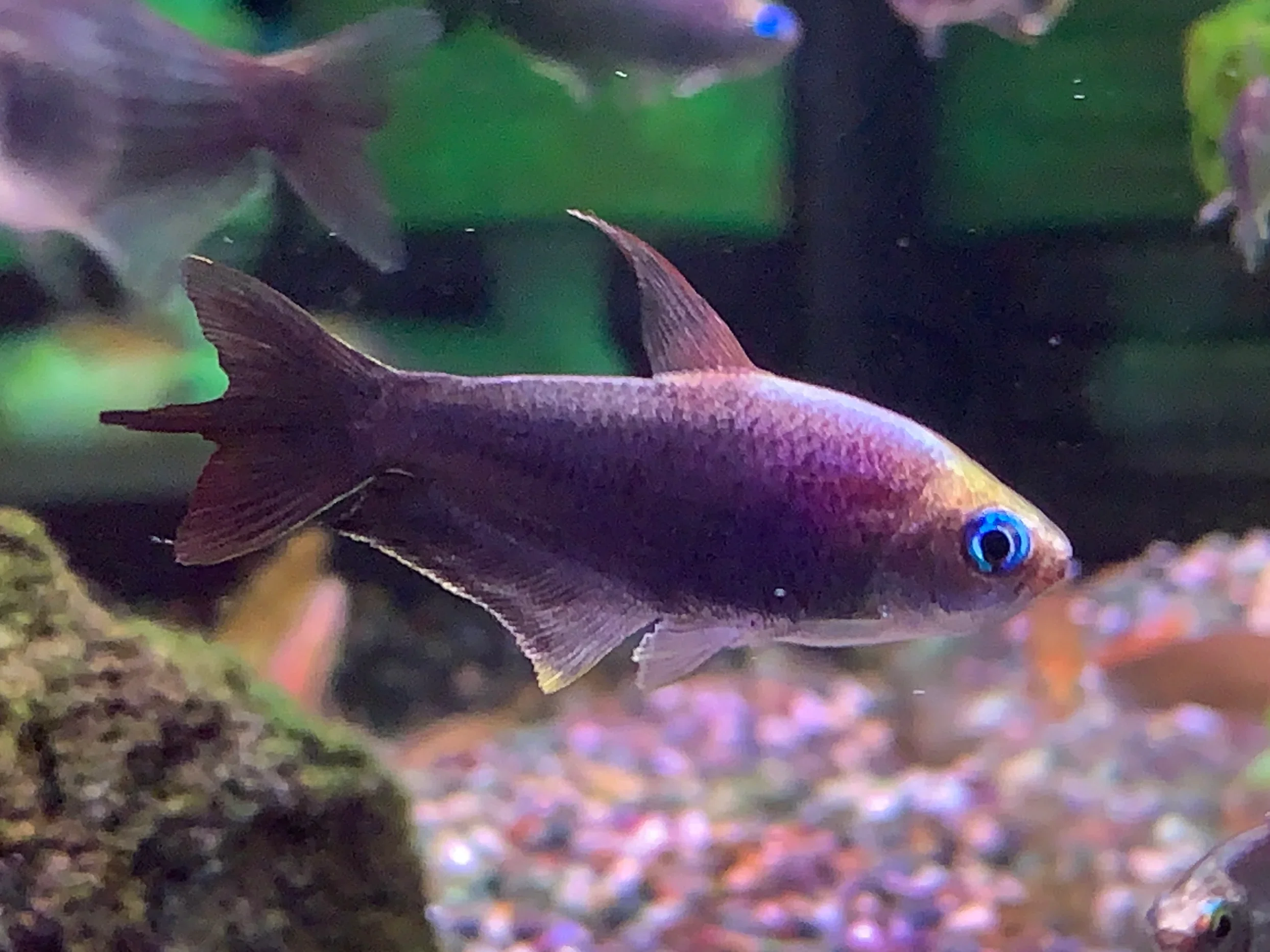 Image 1 of 1