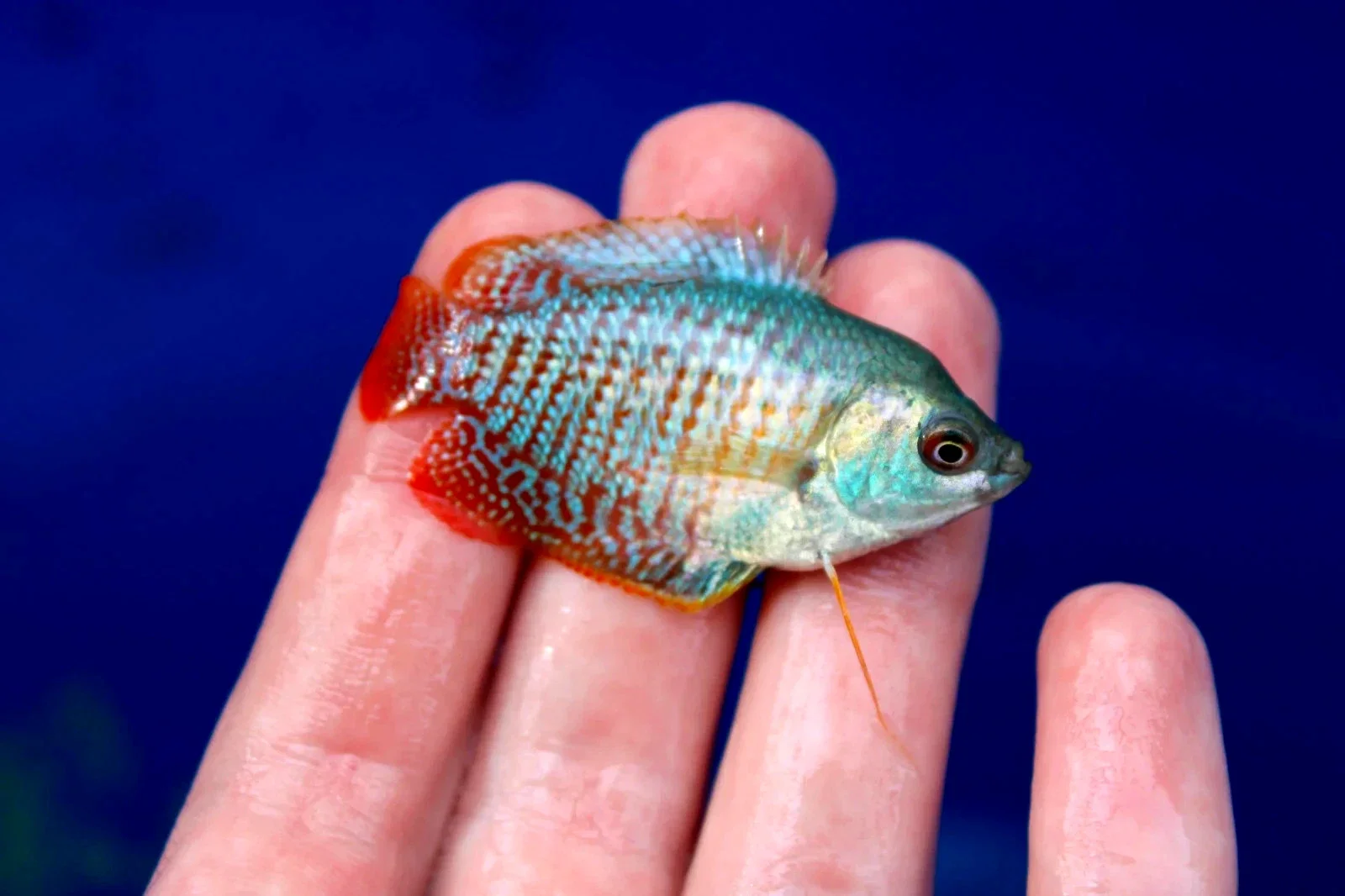
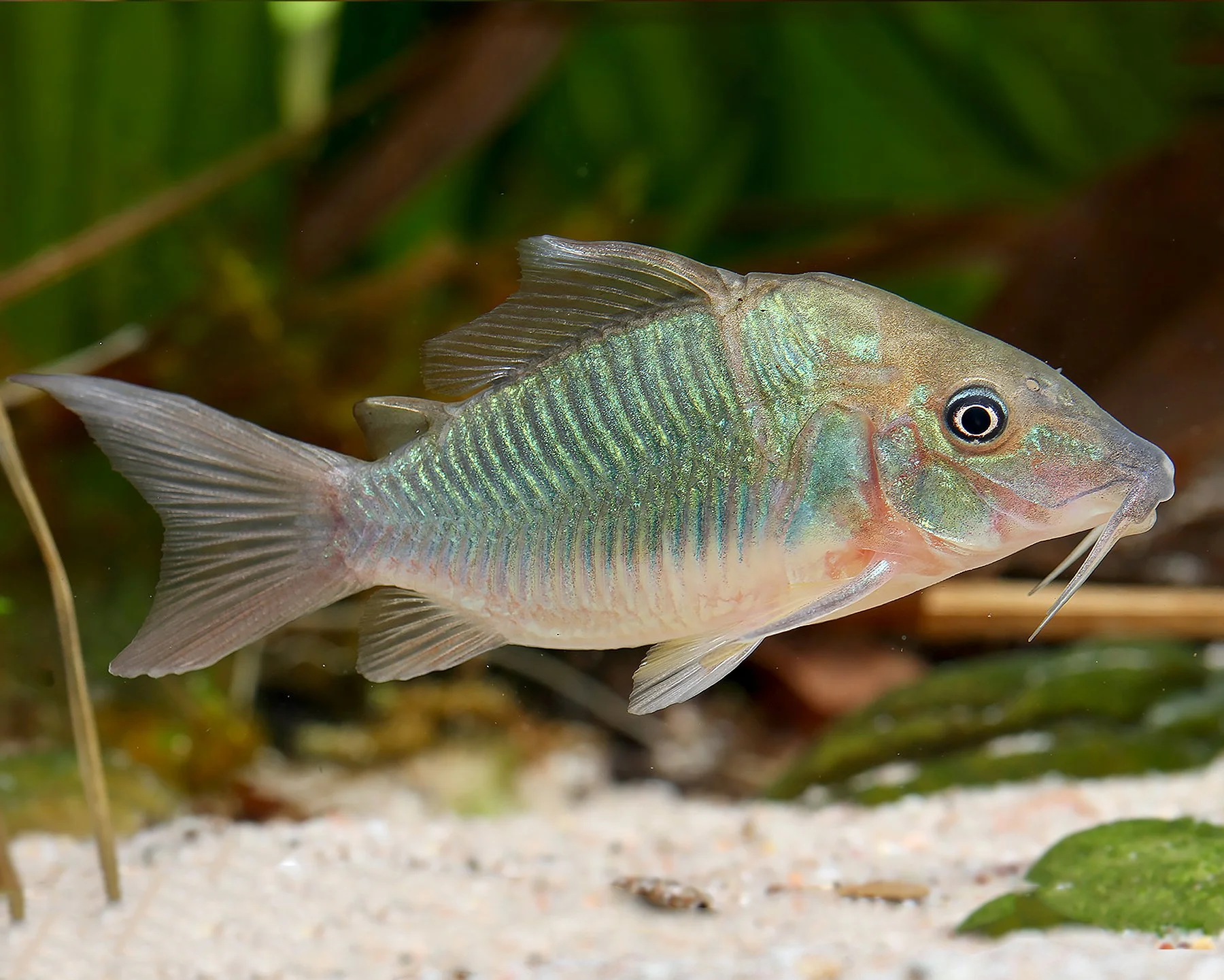
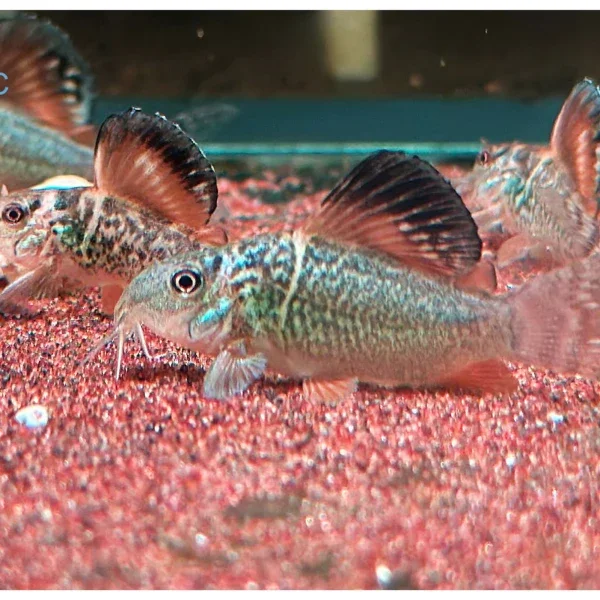
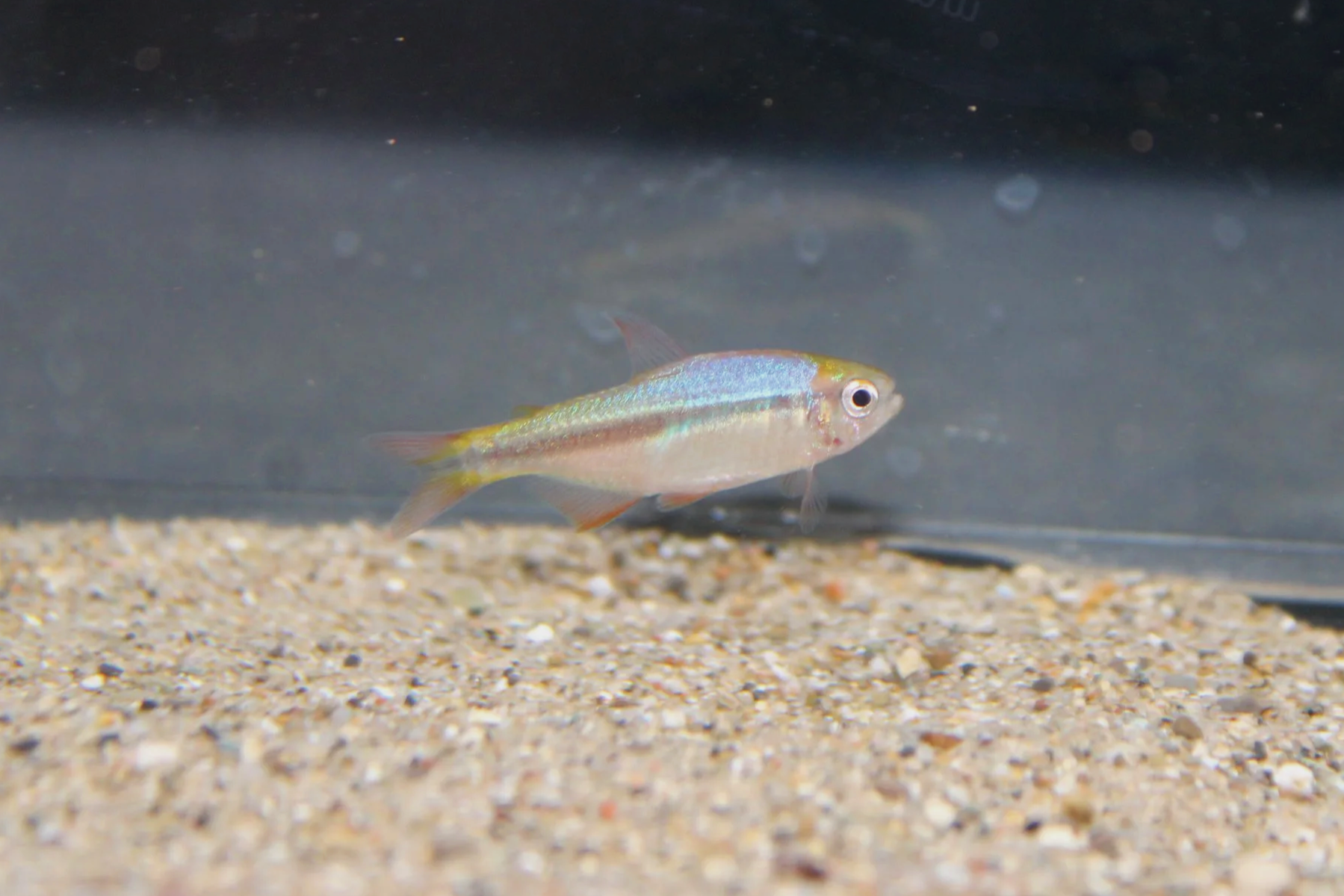
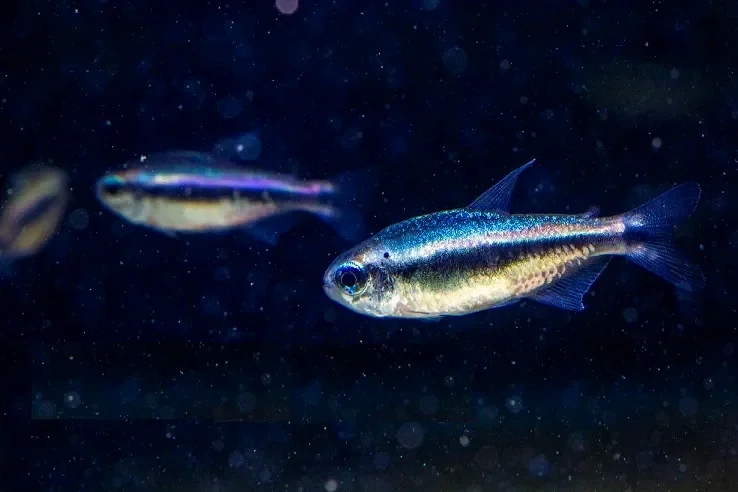
Please note fish will not look exactly like the picture as they need to grow a bit more to get that beautiful coloration!
The Licorice Gourami (Parosphromenus deissneri) is a rare and beautiful freshwater tropical fish known for its striking iridescent blue fin markings, deep reddish-brown coloration, and fascinating courtship behavior. Also commonly called Deissner's Licorice Gourami, this small Southeast Asian labyrinth fish is highly prized among experienced aquarium enthusiasts for its delicate appearance, unique personality, and preference for specialized blackwater aquarium environments. Native to the peat swamp forests of Indonesia, the Licorice Gourami thrives in soft, acidic freshwater with subdued lighting and plenty of natural hiding places. Its compact size, brilliant male coloration, and peaceful temperament make it an exceptional choice for dedicated aquarists looking to create an authentic Southeast Asian blackwater aquarium.
Licorice Gourami Care Information
Scientific Name: Parosphromenus deissneri
Common Names: Licorice Gourami, Deissner's Licorice Gourami, Deissner's Liquorice Gourami
Origin: Bangka Island, Indonesia
Care Level: Advanced
Temperament: Peaceful, Shy, Males Can Be Territorial
Adult Size: Approximately 1.2–1.6 Inches
Minimum Tank Size: 10 Gallons, Larger for Groups
Temperature: 72–82°F
pH Range: 3.0–6.5, Strongly Acidic Conditions Preferred
Water Hardness: 1–4 dGH
Diet: Carnivore, Micropredator
Lifespan: Approximately 3–5 Years with Proper Care
Swimming Level: Bottom to Middle
Social Requirements: Best Kept in Pairs or Carefully Managed Small Groups
Water Type: Freshwater, Soft Acidic Blackwater
Conservation Status: Endangered
Licorice Gourami Care and Aquarium Setup
Licorice Gouramis are specialized freshwater aquarium fish that thrive in mature, carefully maintained blackwater aquariums with extremely soft, acidic water and minimal water movement. A 10-gallon aquarium can provide suitable space for a compatible pair, while larger aquariums are recommended for keeping multiple individuals and establishing separate territories.
A natural blackwater aquarium setup with driftwood, Indian almond leaves, botanical leaf litter, small caves, and dense vegetation helps recreate the shaded peat swamp habitats these rare tropical fish naturally inhabit. Dark substrates and subdued aquarium lighting encourage natural behavior while allowing their beautiful iridescent coloration to stand out.
Unlike many commonly available Gourami species, Licorice Gouramis require very specific water conditions. They naturally inhabit acidic, tannin-rich freshwater environments with extremely low mineral content. Maintaining stable water chemistry, low hardness, and excellent water quality is essential for their long-term health.
Licorice Gouramis are labyrinth fish capable of breathing atmospheric air using a specialized breathing organ. Providing access to the water's surface and maintaining a secure aquarium lid with warm, humid air above the water helps support their natural behavior.
Male Licorice Gouramis may establish small territories around caves and sheltered areas, particularly during breeding. Providing multiple hiding places and visual barriers helps reduce stress and encourages natural courtship behavior.
Licorice Gourami Diet and Feeding
Licorice Gouramis are carnivorous micropredators that naturally feed on tiny aquatic invertebrates, insect larvae, and small crustaceans. Unlike many common freshwater tropical fish, these specialized Gouramis often refuse traditional flake foods and dry pellets, making a varied live-food diet essential for successful long-term care.
Excellent food options include live baby brine shrimp, daphnia, moina, microworms, and appropriately sized mosquito larvae. Some individuals may accept frozen foods, but live foods are generally preferred and help encourage natural hunting behavior.
Offering a varied, protein-rich diet helps support healthy growth, vibrant male coloration, successful breeding behavior, and overall well-being.
Feed small portions once or twice daily, ensuring these shy freshwater fish receive adequate nutrition without competition from faster or more aggressive aquarium species.
Compatible Tank Mates for Licorice Gourami
Licorice Gouramis are peaceful but shy freshwater aquarium fish that are best maintained in dedicated species-only aquariums. Their specialized water requirements, delicate temperament, and preference for live foods make them less suitable for traditional tropical community tanks.
In carefully planned blackwater aquariums, experienced aquarists may successfully house Licorice Gouramis with very small, peaceful species that tolerate similarly soft and acidic water conditions. Certain tiny Rasboras and other specialized blackwater fish may be suitable when adequate space, hiding places, and feeding opportunities are provided.
However, a species-only aquarium is generally recommended to minimize stress, prevent food competition, and encourage natural territorial and breeding behavior.
Avoid housing Licorice Gouramis with aggressive cichlids, larger Gouramis, active schooling fish, fin-nipping species, or bottom dwellers that may disturb their preferred hiding areas.
Why Buy Licorice Gourami?
Licorice Gouramis are an exceptional choice for experienced freshwater aquarium enthusiasts seeking a rare, colorful, and fascinating blackwater fish. Their brilliant iridescent blue fin markings, dark body coloration, delicate appearance, and intricate courtship displays make them stand out among other small tropical Gourami species.
Unlike common Dwarf Gouramis and Honey Gouramis, Licorice Gouramis are specialized peat swamp fish that require carefully maintained acidic freshwater conditions. Their unique habitat preferences, subtle swimming behavior, and beautiful breeding coloration make them especially appealing to aquarists interested in natural biotope aquariums and rare Southeast Asian freshwater species.
The true Parosphromenus deissneri is an endangered species with a limited natural distribution, making responsible sourcing and accurate species identification particularly important. Many Licorice Gouramis have historically been sold under the name Parosphromenus deissneri despite belonging to other closely related species. Captive-bred, correctly identified specimens are especially valuable for responsible aquarium keeping and conservation-focused breeding programs.
Whether you're creating an authentic Southeast Asian blackwater aquarium, establishing a specialized Gourami breeding setup, or searching for a rare freshwater labyrinth fish, the Licorice Gourami offers extraordinary beauty, fascinating natural behavior, and a rewarding challenge for dedicated aquarists.
Add Licorice Gouramis to your specialized freshwater aquarium and enjoy a rare, peaceful blackwater fish with stunning iridescent coloration, fascinating courtship behavior, and exceptional natural beauty.


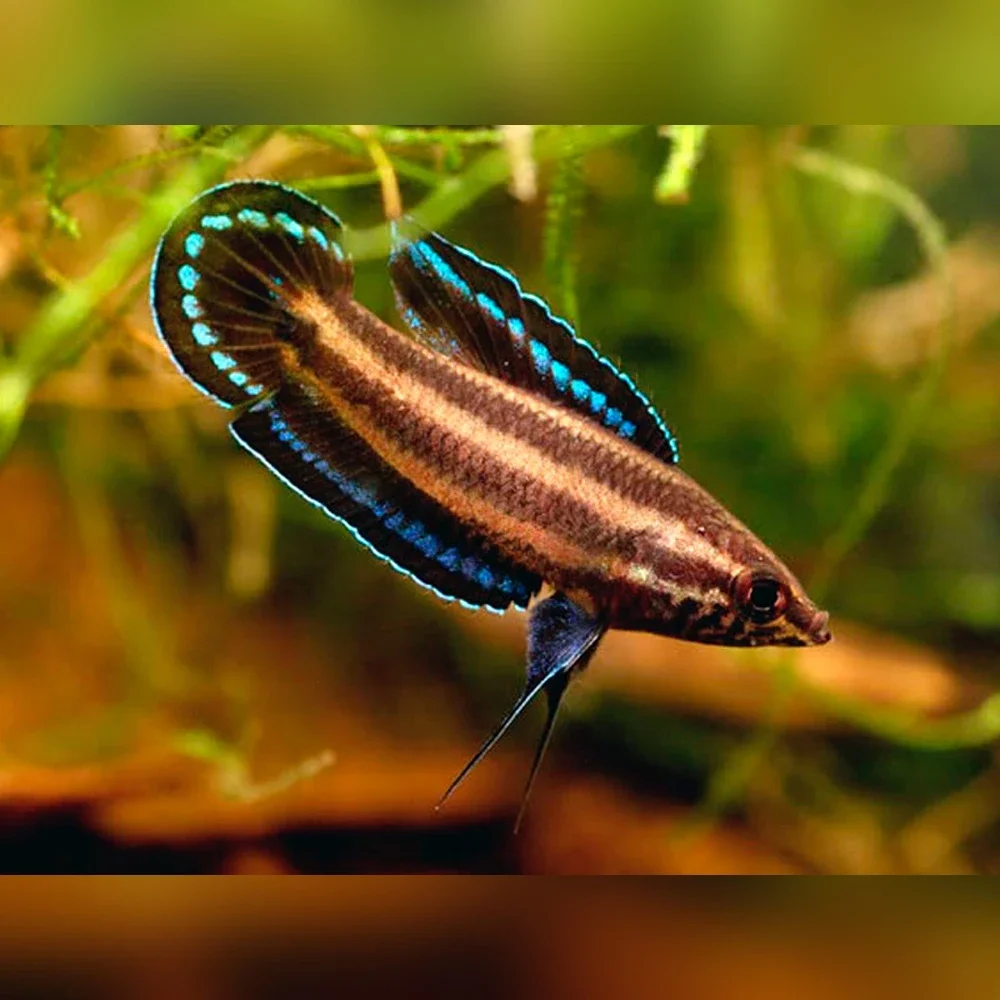 Image 1 of 3
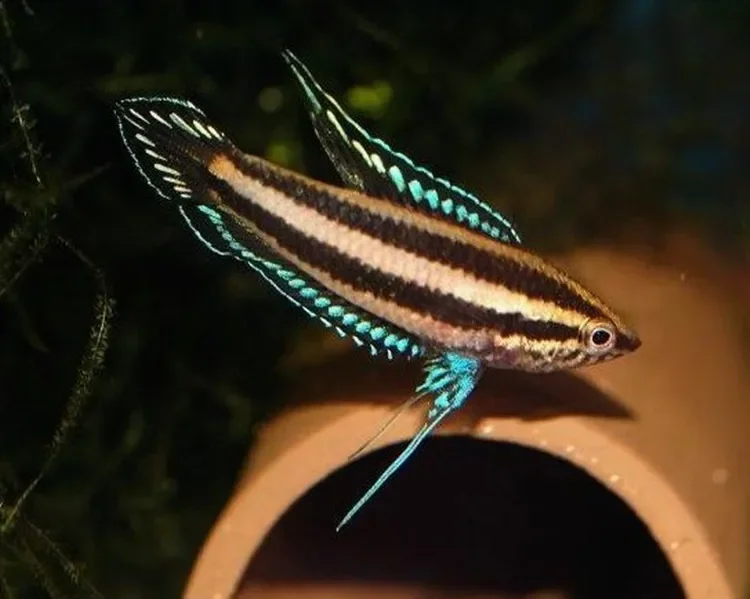 Image 2 of 3
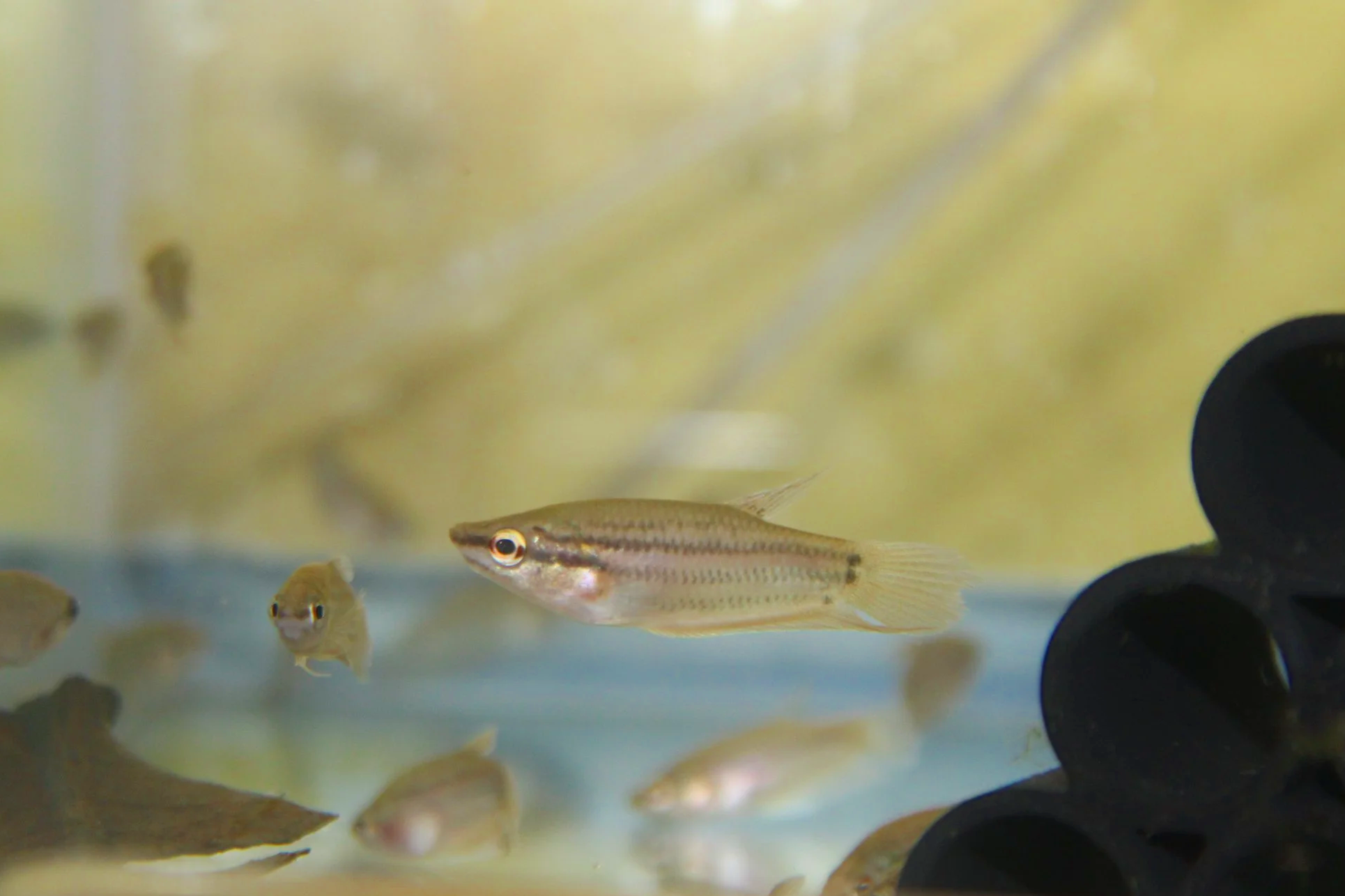 Image 3 of 3